
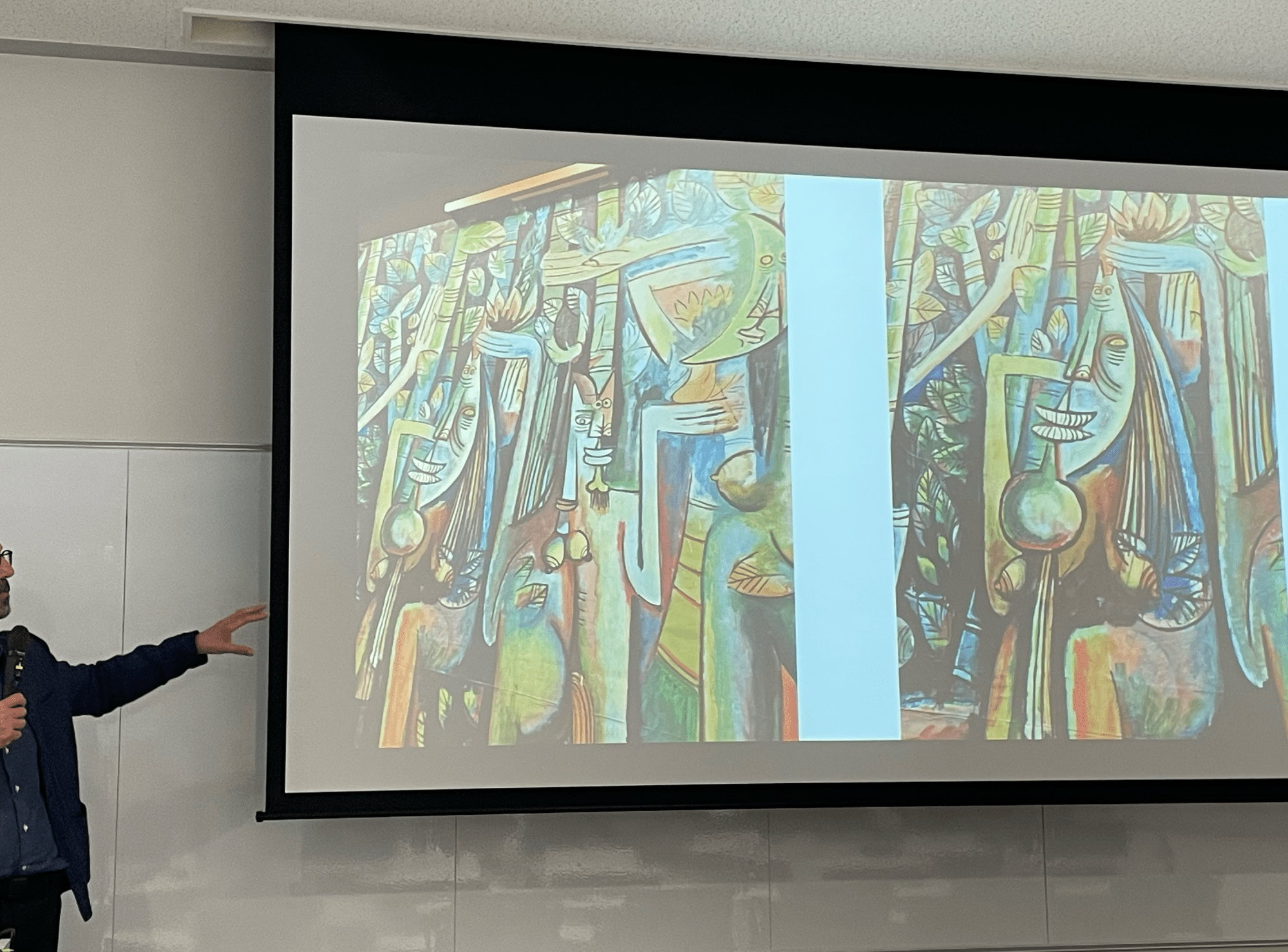
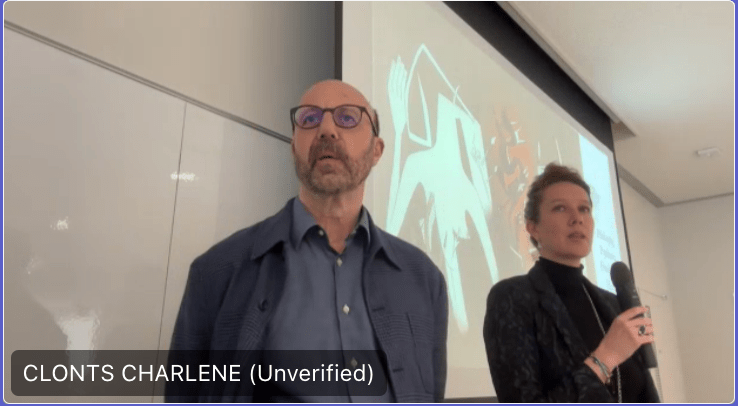
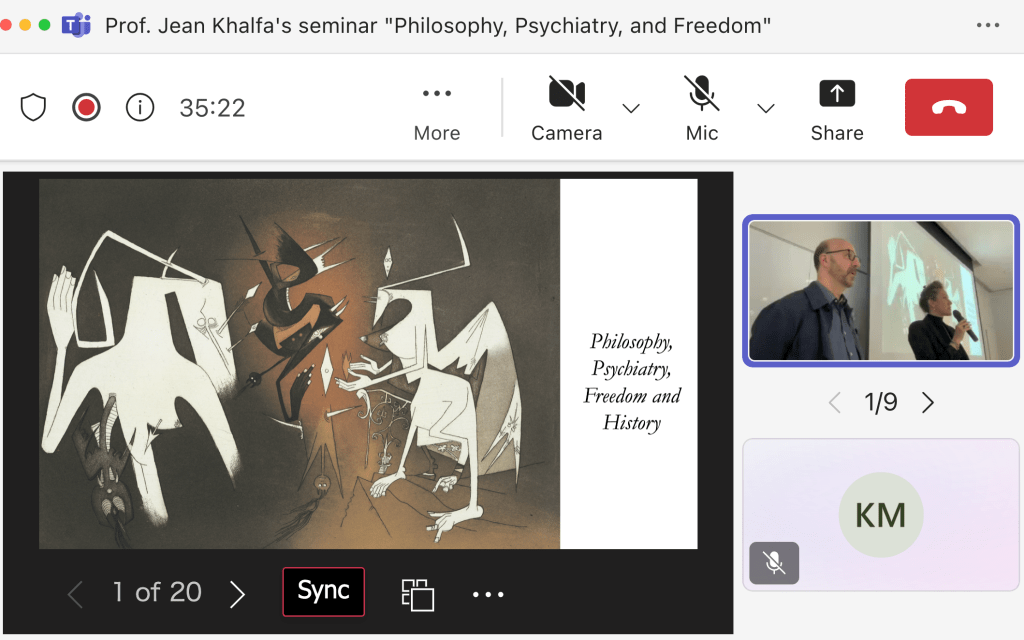
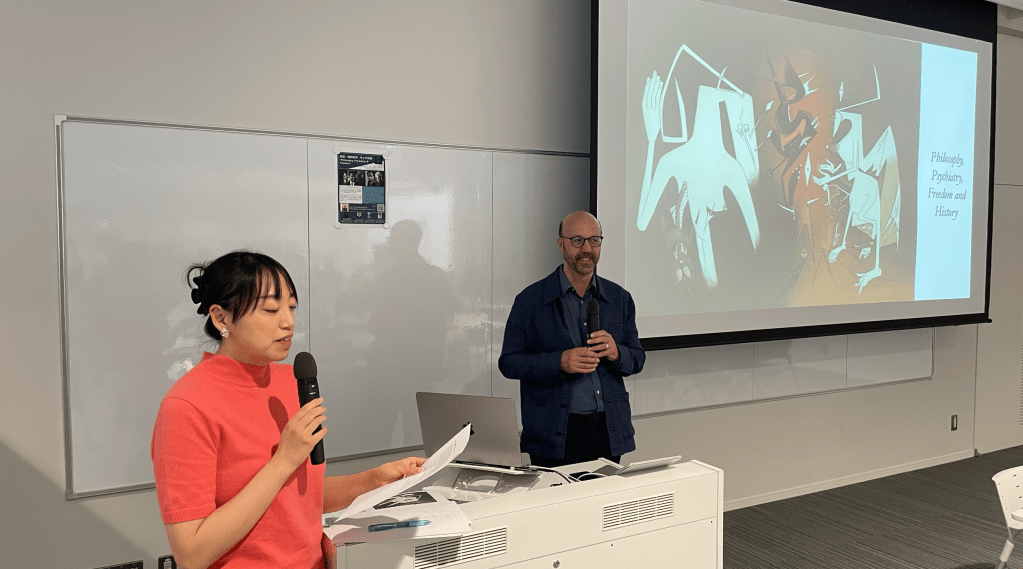
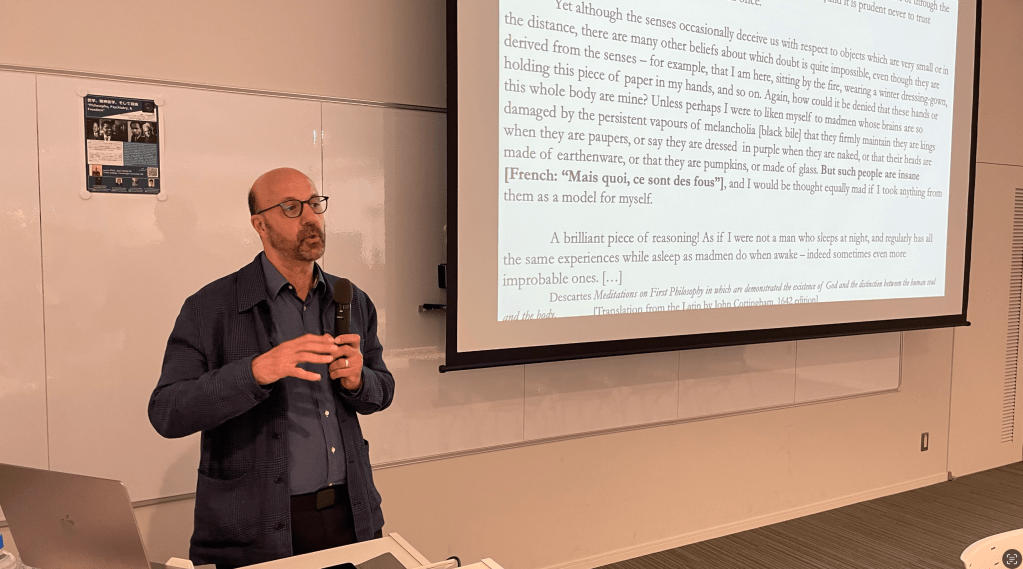
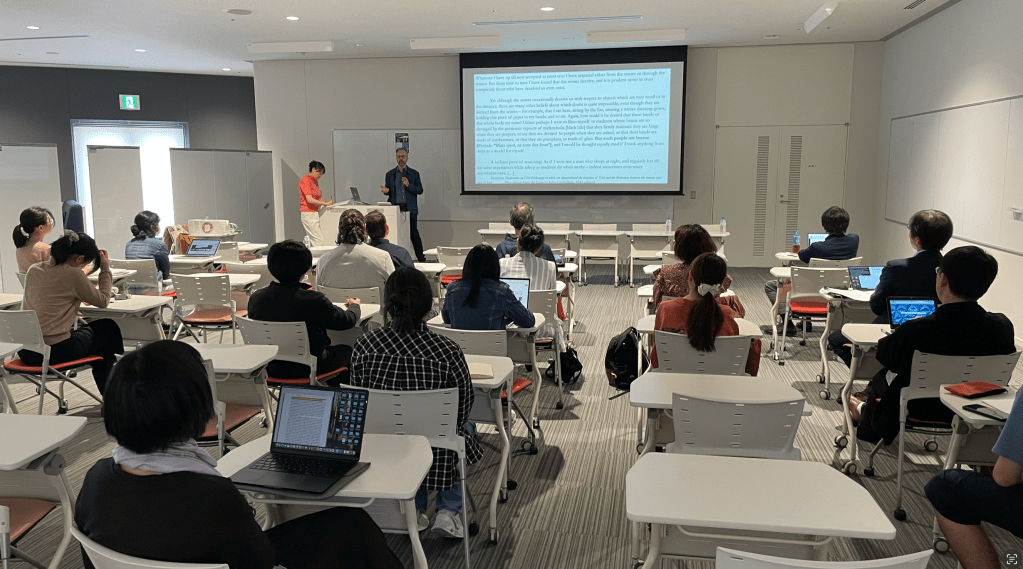
On April 11, 2025, Kyushu University had the honor of hosting Prof. Jean Khalfa, Trinity College Cambridge (UK), for a seminar titled « Philosophy, Psychiatry, and Freedom ». This event, which is part of the Well-Being with Arts (WBA) project, brought together esteemed academics and students, both Japanese and international, to delve into the intricate relationships between philosophical thought, psychiatric practices, and the idea of freedom. Prof. Khalfa’s profound insights, historical analyses and connections provided another perspective on well-being, that resonated deeply with the cross-cultural goals of the WBA project.
Indeed, led by Dr. Charlène Clonts, the WBA project includes an important research group related to the aesthetics, literatures and arts. This major part of the project aims to explore how historical and social contexts shape individual and collective experiences of freedom, ultimately enhancing well-being through artistic expression. Integrating philosophical, psychiatric, literary and artistic components, part of the project seeks to foster a deeper understanding of the dynamic interplay between these fields and their impact on human well-being. Prof. Khalfa’s seminar addressed several key questions of the WBA project, such as:
- How do historical models influence our understanding of freedom? Prof. Khalfa’s discussion on the limitations of historical models in explaining social structures and the irreducible space of doubt and freedom within these structures provides valuable insights for the WBA project’s exploration of freedom.
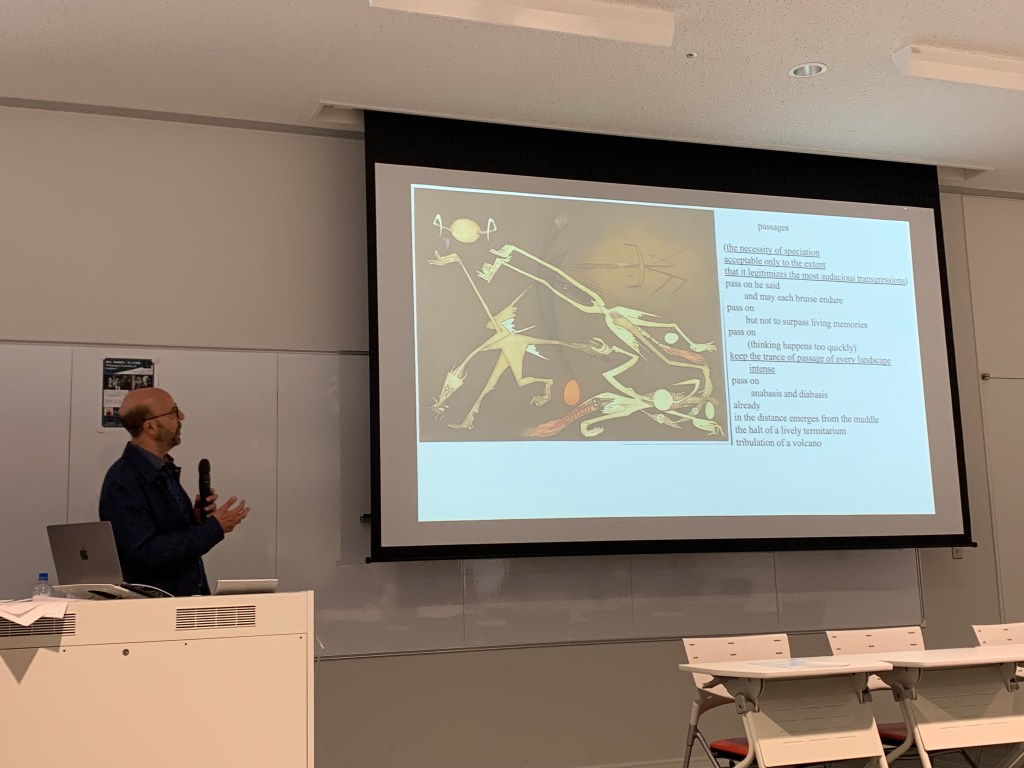
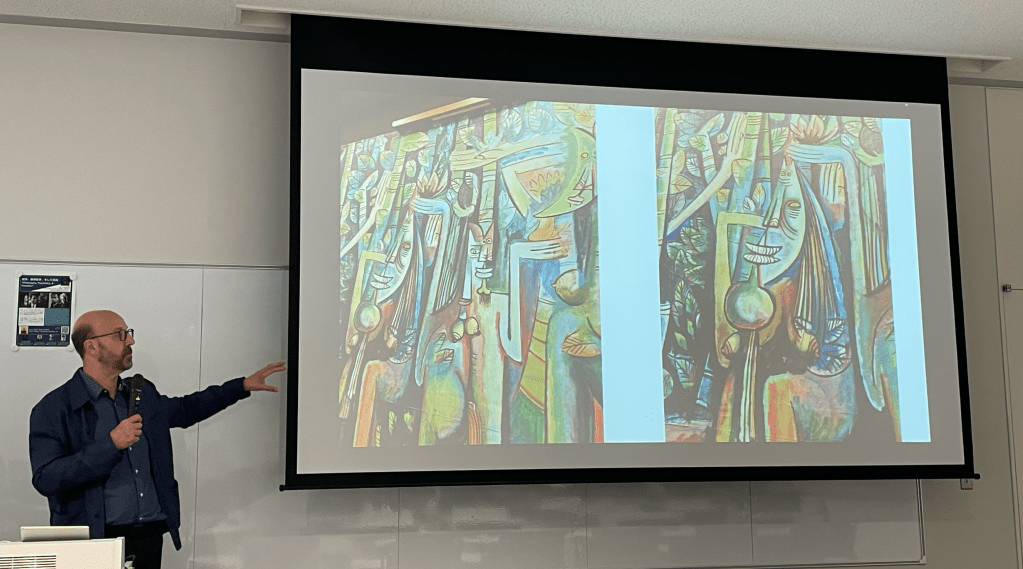
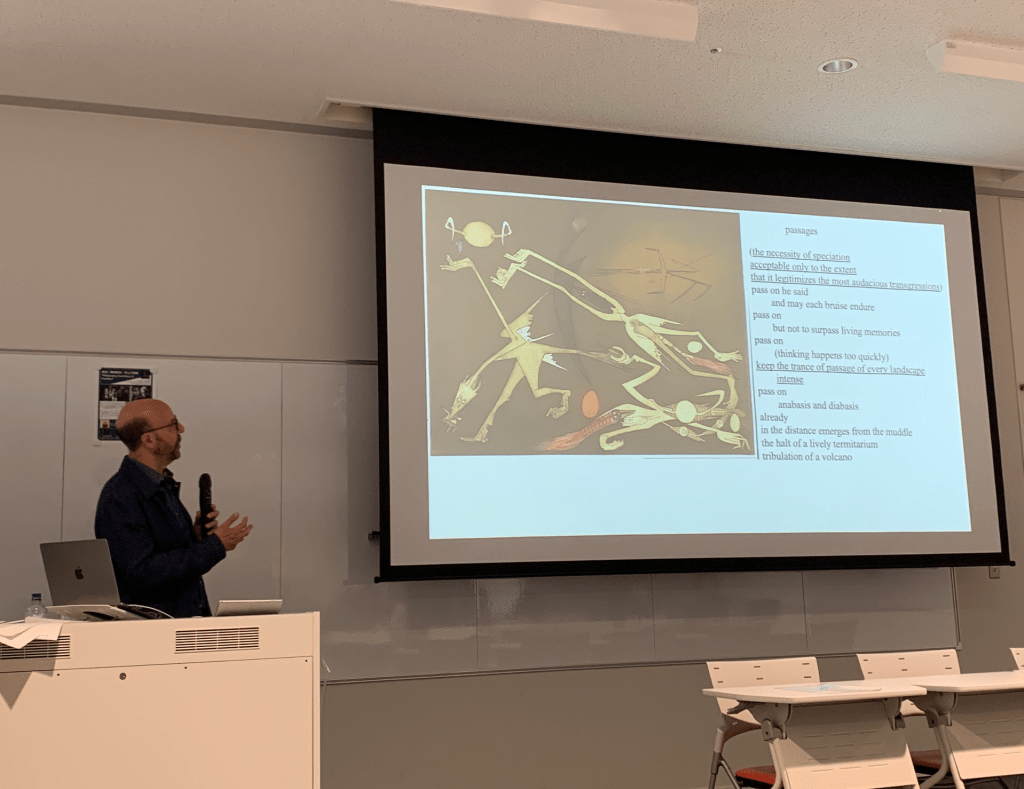
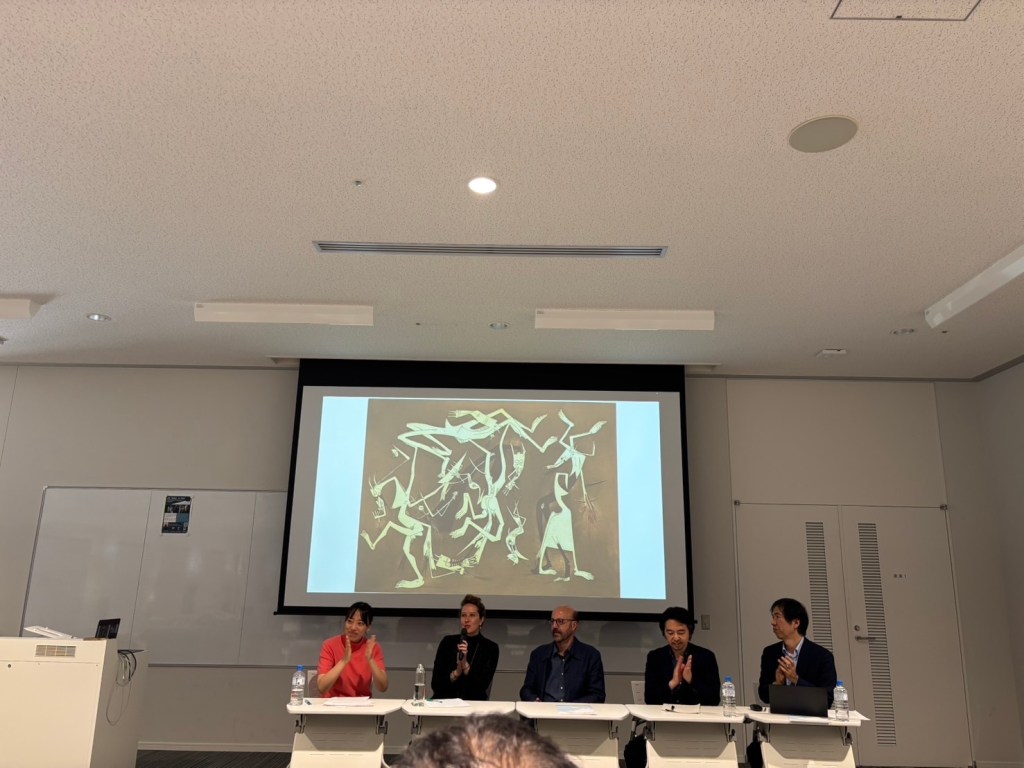
- What role does art play in the liberation of the self? The seminar highlighted the transformative impact of Cuban painter Wifredo Lam on French Martiniquais poet Aimé Césaire, illustrating how artistic encounters can lead to a more fluid and cross-cultural understanding of freedom, a core interest of the project.
- How do psychiatric practices intersect with philosophical concepts of freedom? Prof. Khalfa’s analysis of Foucault’s History of Madness and Fanon’s revolutionary thought offers a nuanced perspective on the relationship between psychiatric practices and the concept of freedom, directly informing our research.
Introduction: Setting the Stage
The seminar began with an introduction by Dr. Charlène Clonts, who expressed gratitude to the university’s Vice President, Prof. Shimizu, to Associate Prof. Yokota, both from Q-AOS Institute, and to other supporters of the project. She introduced the Well-Being with Arts (WBA) project, highlighting its goals and the relevance of Prof. Khalfa’s work to the project’s objectives. She also emphasized her long-standing collaboration with Prof. Khalfa, noting their numerous joint projects and his significant contributions to the understanding of philosophy, psychiatry, and modern literatures with arts.

Prof. Jean Khalfa’s Academic Contributions
Prof. Khalfa’s expertise spans the history of philosophy, modern literature, aesthetics, and anthropology. He has edited notable works such as What is Intelligence, The New French Poetry, and An Introduction to the Philosophy of Gilles Deleuze. His editorial work on Frantz Fanon’s collected writings and Michel Foucault’s History of Madness has garnered world-wide attention and acclaim.
Key Themes from the Seminar
- Historical Models and Freedom: Prof. Khalfa discussed the limitations of historical models in explaining social structures, drawing parallels between the works of Foucault and Fanon. He emphasized the irreducible space of doubt and freedom within these structures, challenging the deterministic views of history.
- The Encounter with Wifredo Lam: The seminar highlighted the transformative impact of Cuban painter Wifredo Lam on the French poet Aimé Césaire. Their encounter led Césaire to abandon his initial belief in identity as a mode of liberation, embracing another understanding of freedom.
- Foucault’s Concept of Madness: Prof. Khalfa explored Foucault’s History of Madness, detailing the intellectual shift in the 17th century that exiled madness from the realm of reason (the Great Confinement). He examined the social and historical context of this shift, linking it to the development of institutions and judicial systems.
- Frantz Fanon’s Revolutionary Thought: Fanon’s work on the process of social therapy during the anti-colonial struggle was discussed, highlighting the transformation of consciousness and autonomy among the colonized. Prof. Khalfa emphasized Fanon’s advocacy for vigilance and wakefulness towards historical processes.
Engaging Q&A Session
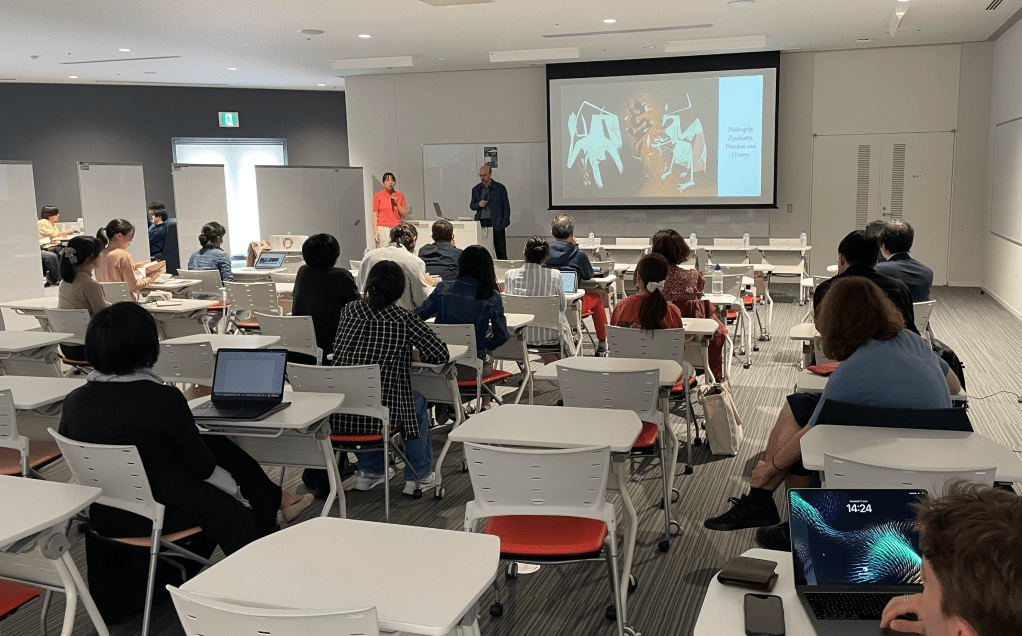
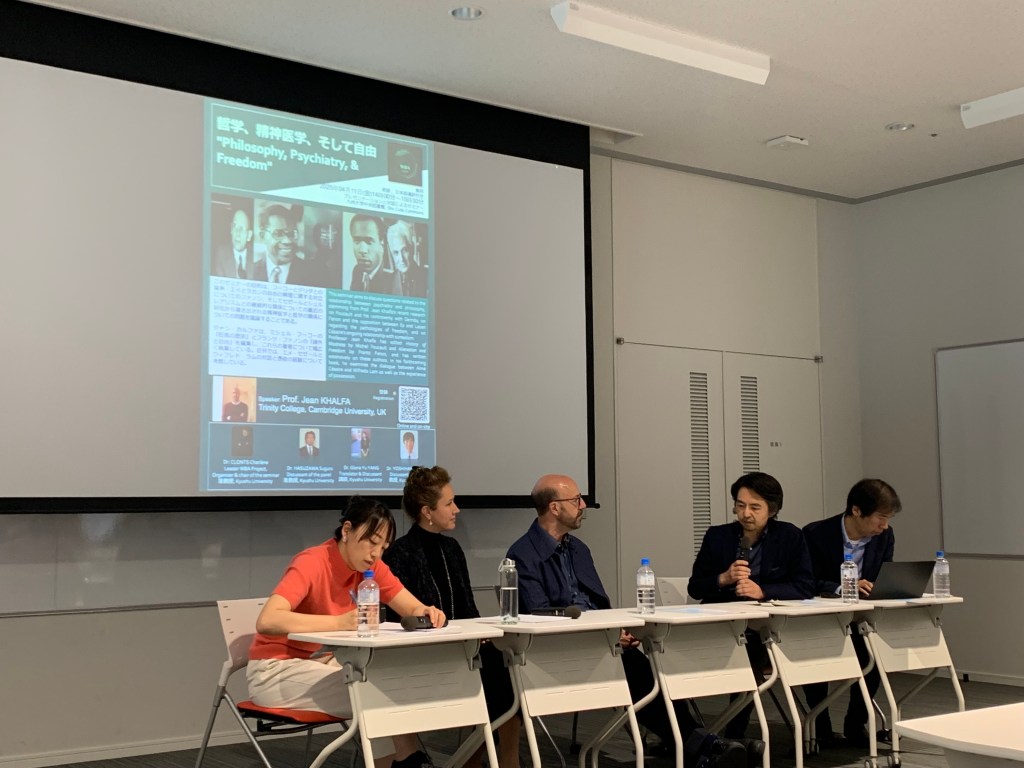
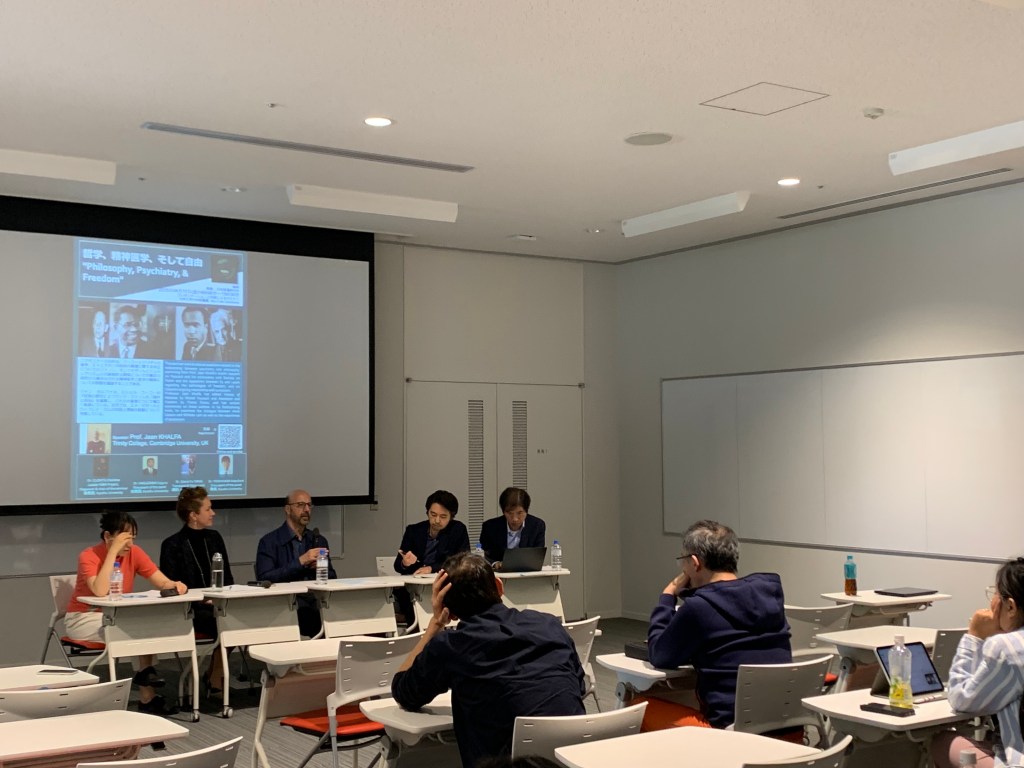
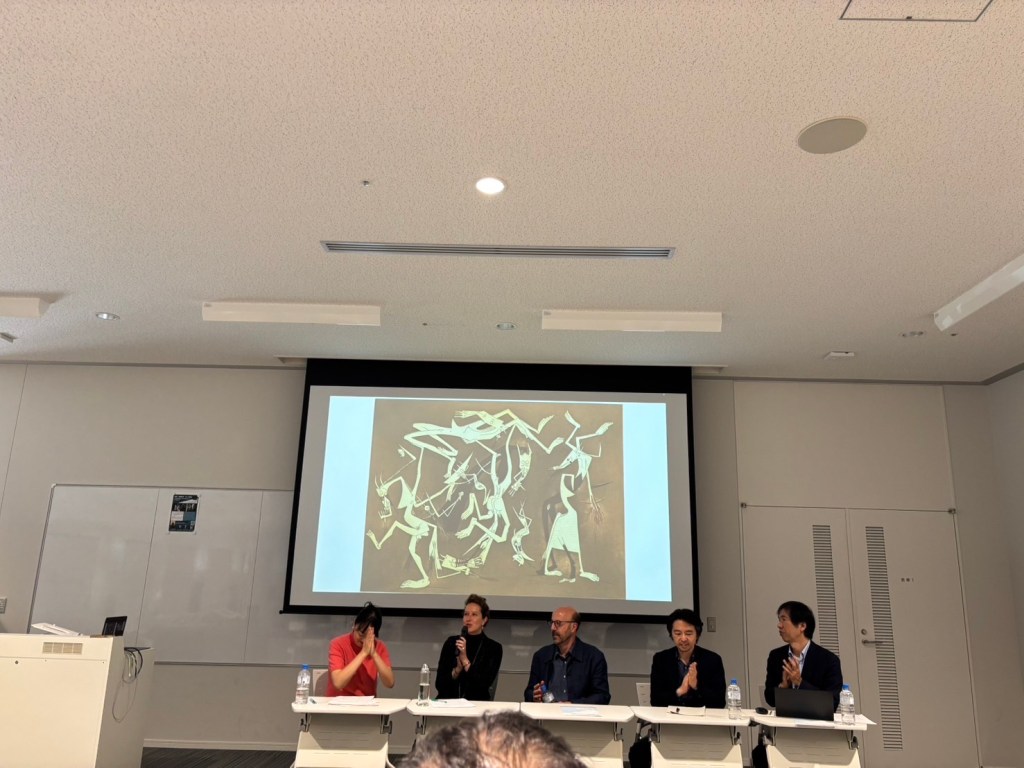
Following the seminar, Prof. Khalfa engaged in an hour-long Q&A session with the panelists and the audience. The panelists included Lecturer Yang Yu Gloria, who also provided brilliant translation throughout the seminar, Associate Prof. Hasuzawa Suguru, Prof. Yoshihara Kazufumi, and Associate Prof. Clonts Charlène as discussant and chair. This interactive session allowed for a deeper exploration of the topics discussed, with insightful questions and lively discussions that enriched the understanding of philosophy, psychiatry, and freedom.
Thank you also to Shalini Pathiranage for her wonderful work and assistance.
Thank you also to the participants who provided us pictures of the event.

Conclusion: A Call to Reflection
Prof. Khalfa’s seminar was a profound exploration of the complexities of freedom within philosophical and psychiatric frameworks. His analysis encourages us to reflect on the historical and social determinants of freedom and the importance of maintaining vigilance in our pursuit of liberation. The WBA project is honored to incorporate these insights into its research, fostering a wider understanding of the lively interplay between philosophy, psychiatry, and freedom.
Author: Associate Prof. Dr. Charlène Clonts
Well-Being with Arts project
Kyushu University, Ito Campus, 744 Motooka, Nishi-ku, 819-0395 Fukuoka, JAPAN
A Kyushu University Institute for Asian and Oceanian Studies (Q-AOS) research module.
Copyright 2024 © Clonts Charlène WBA
Fièrement propulsé par WordPress
 Well-Being with Arts project